You get the best results from your dishwasher when you match the cycle to your dishes, how dirty they are, and what matters most to you. Choosing the right dishwasher cycles helps you save both water and energy, keeps your dishes safe, and improves cleaning.
Modern dishwashers use only 3 to 4.5 gallons of water per load.
Hand washing can use up to 27 gallons for the same amount of dishes.
Method | Water Usage (gallons) |
|---|---|
Dishwasher | 3 – 4.5 |
Hand Washing | Up to 27 |
You also use less energy. Dishwashers consume about 2.2 kWh per load, while hand washing uses 2.8 kWh. This blog will help you get the most out of your dishwasher, with special advice for Whirlpool models.
Key Takeaways
Choose the right dishwasher cycle based on the soil level of your dishes. Use quick cycles for lightly soiled items and heavy cycles for tough messes.
Utilize sensor cycles for mixed loads. These cycles automatically adjust settings for optimal cleaning while saving water and energy.
Select delicate cycles for fragile items like glassware. This helps prevent damage while ensuring a thorough clean.
Take advantage of delay start options to run your dishwasher during off-peak hours. This can save you money on energy costs.
Regularly maintain your dishwasher by cleaning the spray arms and filters. This keeps it running efficiently and extends its lifespan.
Dishwasher Cycles Explained
Choosing the right dishwasher cycles helps you get cleaner dishes and saves energy. Each cycle works best for certain dish types and levels of mess. You can find the most common cycles on almost every dishwasher. Understanding how each cycle works lets you match your needs to the right setting.
Normal, Quick, Heavy
Most dishwashers offer three main cycles: normal, quick, and heavy. You use the normal cycle for everyday loads with moderate soil. Quick cycles work well when you need clean dishes fast and have lightly soiled plates. Heavy cycles tackle pots, pans, and dishes with baked-on food.
Cycle Type | Average Cycle Time |
|---|---|
Quick Wash | 1 hour |
Heavy Wash | 2.75 hours |
Normal Wash | 2.25 hours |
Normal cycles handle most dishware, including plates, glasses, and bowls.
Quick cycles suit lightly soiled items and save time.
Heavy cycles clean tough messes, like casserole dishes or pans with stuck-on food.
You should check dishwasher cycle times before starting a load. Quick cycles finish in about an hour, while heavy cycles may take almost three hours. Normal cycles usually run for a little over two hours.
Sensor, Prewash
Many modern dishwashers include a sensor cycle and a prewash option. The sensor cycle uses built-in technology to measure soil levels and adjust water, temperature, and time. This cycle gives you the best cleaning with the least waste. Prewash cycles rinse dishes before the main wash, removing loose food and preventing stains.
Cycle Type | Average Run Time |
|---|---|
Prewash Cycle | 6 – 8 minutes |
Sensor Wash Cycle | 2 – 3.25 hours |
Sensor cycles work well for mixed loads and save water and energy.
Prewash cycles help when dishes sit for a while before washing.
You get better results with a sensor cycle if you load dishes with different soil levels. The dishwasher adjusts itself, so you do not need to guess which cycle works best. Prewash cycles only take a few minutes and help prevent odors.
Tip: If your dishwasher has a sensor cycle, use it for loads with both clean and dirty dishes. The sensor will detect soil and adjust the wash for you.
Delicate, High Temp, Sanitize
Some dishwasher cycles protect fragile items or kill germs. Delicate cycles use lower water pressure and temperature to clean glassware and fine china. High temp cycles raise the water temperature for better cleaning. Sanitize cycles use even higher temperatures to kill bacteria and germs.
The sanitize cycle on GE Appliances uses elevated water temperature and a longer wash to kill bacteria.
High-end dishwashers reach temperatures above 170°F in the sanitize cycle, which kills most bacteria.
Normal cycles reach around 140°F, enough to kill most food-borne bacteria.
Sanitize cycles can reduce 99% of bacteria found on dishes.
Proper loading helps the sanitize cycle work best.
Recommended Use Case | Description |
|---|---|
High-Temperature Water Sanitation | Effective for pasteurizing items, using water temperatures between 143 to 180 °F. |
Chemical Detergents | Use when high-temperature water is unavailable, but this method is labor-intensive and less safe. |
Use high temp and sanitize cycles when someone in your home is sick.
Wash heavily soiled or germ-prone items, like gym towels or cloth diapers, with sanitize cycles.
Sanitize bedding and towels to remove dust mites and allergens.
You should use delicate cycles for glassware and fine china. High temp and sanitize cycles work best for baby bottles, cutting boards, and items that need extra germ protection.
Delay Start, Drying Options
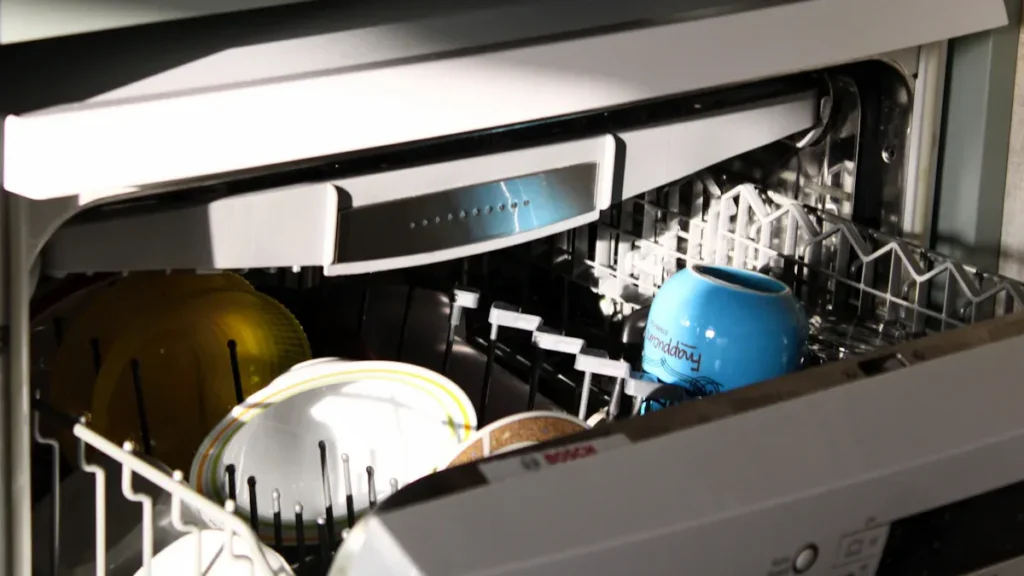
Delay start lets you schedule dishwasher cycles for later. You can run the dishwasher during off-peak hours to save money and reduce strain on the power grid. Drying options include air drying and heated drying. Air drying uses less energy, while heated drying gives you faster results.
Delay start options help you run dishwasher cycles when electricity costs less.
Air drying uses ambient air and saves energy compared to heated drying.
Running the dishwasher during off-peak times can save you up to $100 per year.
Dishwasher Model | Drying Technology | Efficiency Description |
|---|---|---|
Miele G 5266 | Sensor dry, Extra Dry | Uses elevated temperatures and extended drying for complete dryness of all items. |
Bosch Benchmark SHP9PCM5N | CrystalDry technology | Ensures complete drying using zeolite, operates quietly at 38 dBA. |
LG LDTH7972S | Standard drying | Excellent drying for most items, struggles with plastics. |
Bosch 800 Series SHP78CM5N | CrystalDry feature | Achieves complete dryness, even on plastics, through a chemical reaction with zeolite. |
Miele G 5266 | AutoOpen Drying | Automatically opens door for condensation drying, enhancing drying efficiency. |
Sensor dry and auto-open drying improve drying results and save energy.
CrystalDry technology dries plastics and dishes completely.
You should use delay start to run dishwasher cycles at night or during off-peak hours. Choose air drying if you want to save energy. Heated drying works best when you need dishes dry quickly.
By understanding dishwasher cycle times and the features of each cycle, you can choose the best setting for your needs. You get cleaner dishes, save energy, and protect your dishware.
How Long Do Dishwashers Run
Typical Cycle Times
You might wonder how long do dishwashers run for each setting. The average dishwasher run time depends on the cycle you choose. Standard cycles usually last between 1.5 and 4 hours. Quick wash cycles finish in 30 to 60 minutes, while heavy wash cycles can take 2.75 to 4 hours. The table below shows the typical cycle times for each setting:
Setting | Average Duration |
|---|---|
Standard | 1.5 to 4 hours |
Quick Wash | 30 – 60 minutes |
Heavy Wash | 2.75 to 4 hours |
You should check your dishwasher manual for exact times, since models can vary.
Factors Affecting Duration
Several factors influence dishwasher running time. Water temperature plays a big role. Hot water dissolves and removes food better than cold, so higher temperatures can reduce cycle time. Ideal wash temperatures range from 120°F to 150°F. Load size and soil level also matter. Larger or dirtier loads need longer cleaning. Modern dishwashers use sensor technology to adjust cycles based on how dirty your dishes are. Sensors help optimize water and energy usage.
Factor | Explanation |
|---|---|
Water Temperature | Higher temperatures break down grease and grime more quickly. |
Load Size and Soil Level | Larger, dirtier loads require more intensive washing and longer cycles. |
Sensor Technology | Sensors adjust cycles for load size and soil, improving efficiency and saving resources. |
Tip: You can improve efficiency by scraping off food before loading dishes.
Modern Dishwasher Efficiency
Newer dishwashers run longer than older models, but they use less water and energy. In the past, most dishwashers had cycle times under 60 minutes. Today, manufacturers design machines to be quieter and more efficient. Modern dishwashers average between 40 and 50 decibels, while older ones reached 60 decibels. Longer cycles allow for lower water pressure and temperature, which saves energy. You get cleaner dishes with less impact on your utility bills.
Year | Models with Cycle Time ≤ 60 min | Total Models |
|---|---|---|
1983 | 3 | 16 |
1990 | 1 | 20 |
You should consider how often should you run your dishwasher based on your household size and dish usage. Running full loads helps maximize efficiency and reduces waste.
Note: Sensor calibration, water heating, and soil level all affect how long your dishwasher runs. Always load dishes properly for best results.
Match Dishwasher Cycles to Your Needs
Dish Type and Material
You protect your dishes when you choose the right cycle for each type and material. Glassware and fine china need gentle care. Everyday plates and cookware can handle standard settings. Delicate cycles use lower water pressure and temperature, which helps prevent chips and cracks in fragile items. Heavy-duty cycles work best for pots and pans with baked-on food.
Here is a table to help you match cycles to dish types:
Factor | Recommendation |
|---|---|
Soil Level | Use intense cycles for heavily soiled items; normal or quick wash for lightly soiled dishes. |
Load Size | Choose extended wash or heavy-duty options for large or mixed loads. |
Energy Efficiency | Opt for eco-friendly cycles to conserve water and energy. |
Type of Dishes | Select gentler cycles for delicate items like glassware or fine china; standard cycles for everyday dishes and cookware. |
Tip: Always check your dishwasher manual for guidance on washing specialty items like crystal or nonstick cookware.
Soil Level and Mess
You get the best cleaning results when you match the cycle to how dirty your dishes are. Lightly soiled plates and glasses clean up well with a normal or quick cycle. Messy pots and pans need more power. Heavy cycles use higher water pressure and longer wash times to tackle tough messes.
The auto cycle adjusts settings based on soil level, giving you reliable cleaning for mixed loads.
The normal cycle balances time, temperature, and water for everyday messes.
Heavy or pots and pans cycles work best for especially dirty loads.
Some dishwashers feature smart technology. Samsung models have an auto cycle that senses soil and adjusts the wash. LG dishwashers use sensors to check water clarity and soil amount, optimizing the cleaning process.
For cookware with stuck-on food or grease, you can use boost or extended soak cycles. These settings use more water, time, and heat to dissolve tough residue.
Cycle Setting | Description |
|---|---|
Boost Cycle | Uses more water, time, and heat to effectively target tough messes. |
Extended Soak Cycle | Helps dissolve stuck-on food, making it easier to clean cookware. |
Note: Scrape off large food pieces before loading to help your dishwasher work more efficiently.
Time and Energy Considerations
You save time and energy when you select the right cycle for your needs. Quick cycles finish in less than an hour and use less water and electricity. These cycles work best for lightly soiled dishes or when you need clean plates fast. Standard cycles take longer but clean larger or dirtier loads more thoroughly.
Quick wash cycles are designed to be faster and more efficient. They use less water and energy than standard cycles. You can use quick cycles for small loads or when dishes are only lightly dirty. The shorter duration means lower electricity use, especially if you run cold-water washes.
Eco-friendly cycles help you reduce utility costs. Auto-sensing cycles detect soil level and adjust water use. Light cycles use less water for slightly dirty dishes. Energy-saving cycles optimize power use during the wash. Turning off heated dry lets dishes air dry, which saves even more energy.
Cycle Type | Description | Benefits |
|---|---|---|
Auto-sensing Cycle | Detects soil level and adjusts water usage accordingly. | Saves water and energy. |
Light Cycle | Designed for slightly soiled dishes, using less water. | Reduces water consumption. |
Energy-saving Cycle | Optimizes energy use during the wash cycle. | Lowers utility costs. |
Turn Off Heated Dry | Allows air drying instead of using energy for drying. | Further reduces energy usage. |
Tip: Use quick cycles for lightly soiled dishes to save time and energy. Choose eco or energy-saving cycles for regular loads when you want to lower your bills.
Quick-Reference Guide
You can use this guide to pick the best dishwasher cycle for your needs. Match your load to the right setting for clean dishes and efficient use of resources.
Cycle Type | Description | When to Use | Duration |
|---|---|---|---|
Rinse Cycle | Prevents food from drying on dishes and helps avoid smells. | When loading dishes but not running the dishwasher immediately. | A few minutes |
Quick Cycle | Shortest cycle that washes dishes. | For lightly soiled items or dishes needed quickly. | 30-60 minutes |
Normal Cycle | Provides a thorough clean for daily-use dishes. | For regular loads unless heavily soiled. | 1.5 to 2 hours |
Eco Cycle | Uses less energy and water, longer cycle length. | For regular-use dishes when time is not a concern. | About 3 hours |
Heavy / Pots & Pans | Designed for tough, baked-on food and grease, using higher water pressure and extended times. | For cookware and very dirty loads. | 2.75 to 4 hours |
Light / Delicate | Ideal for fragile items, using lower pressure and temperatures to prevent damage. | For glassware, fine china, or lightly soiled items. | 1 to 1.5 hours |
Express / Quick Wash | A time-saving option for small loads or lightly soiled dishes, finishing in under an hour. | When you need dishes fast. | 30-60 minutes |
Sanitize | Uses high-temperature water to eliminate 99.9% of bacteria, ideal for baby items and cutting boards. | For items needing extra germ protection. | 1.5 to 2.5 hours |
Sensor Wash / Auto | Automatically detects soil levels and adjusts settings for efficiency. | For mixed loads or when unsure which cycle to choose. | 2 to 3.25 hours |
Rinse Only | Rinses off food residue to prevent buildup until a full load is ready. | When you want to avoid odors before running a full cycle. | A few minutes |
Tip: Use the quick cycle for lightly soiled dishes or when you need clean plates in a hurry. Choose the normal cycle for everyday loads. Select heavy or pots and pans cycles for tough messes. Try eco cycles to save water and energy.
You get the best results when you match your dishwasher cycle to your dish type, soil level, and time needs. Use this guide to make smart choices and keep your dishes sparkling clean.
Optimize Dishwasher Performance

Loading and Detergent Tips
You can boost your dishwasher’s cleaning power by following smart loading practices. Start by scraping off large food particles, but skip pre-rinsing. Modern detergents work best with some residue left on dishes. Load the bottom rack with larger items and place smaller pieces on the top rack. Position heavily soiled surfaces toward the spray arm for better coverage. Avoid overcrowding so water and detergent reach every surface. Stagger silverware to prevent clumping. Always unload the bottom rack first to keep water from dripping onto clean dishes.
When choosing detergent, pick one designed for dishwashers. These formulas break down food and leave dishes safe to use. Add rinse aid to improve drying and prevent spots. Rinse aids contain surfactants that help water sheet off dishes, which leads to spotless results. Manufacturers recommend using rinse aids for the best drying, no matter which drying method your dishwasher uses.
Advanced Features
Modern dishwashers offer advanced features that make cleaning easier and more efficient. Many models include sensor cycles that automatically adjust wash settings based on soil level. This ensures optimal cleaning and prevents wasted resources. Delay start lets you schedule cycles for later, which helps busy households save on energy costs by running during off-peak hours. You also minimize noise during family activities.
Feature | Benefit |
|---|---|
Wi-Fi and app integration | Control and monitor your dishwasher remotely. |
Voice control | Operate the dishwasher hands-free. |
Automatic detergent dispensers | Use the right amount of detergent for each load. |
Powerful spray arms | Reach all areas for thorough cleaning. |
Steam cleaning technology | Loosen stubborn food and sanitize dishes. |
High-efficiency drying | Achieve spotless drying and convenience. |
Water efficiency sensors | Adjust water use for better energy efficiency. |
Eco-wash cycles | Use less water and energy for lightly soiled loads. |
Quiet operation technologies | Reduce noise for a peaceful home. |
Customizable wash cycles | Fit different dish sizes and shapes. |
Maintenance and Cleaning
Regular maintenance keeps your dishwasher running smoothly and extends its lifespan. Clean the spray arms to prevent clogs and ensure proper water distribution. Inspect and clean the drain filter to avoid blockages and keep food particles from recirculating. Wipe down the interior and run an empty cycle with vinegar to remove soap scum and odors. Avoid overloading to maintain cleaning efficiency. Clean your dishwasher at least once a month. If you notice odors or debris, clean it more often. Check the filter monthly to prevent buildup and unpleasant smells.
Troubleshooting Long Cycles
Long dishwasher cycles can result from several issues. Turn off heated dry and select shorter cycles for lightly soiled loads. Make sure your hot water heater is set to 120°F and run hot water before starting the dishwasher. Check water pressure and inspect the inlet valve for blockages. Clean or replace filters and ensure spray arms are free of debris. Clear any clogs in the drain hose and garbage disposal connection. Inspect soil sensors, thermostats, and the control board for malfunctions.
If you use a Whirlpool dishwasher, check if the wash cycle is complete, inspect the drain for clogs, and look for kinks in the drain hose. Examine the connection to the garbage disposal and review the check valve and drain pump for issues.
By following these steps, you improve dishwasher performance, maintain energy efficiency, and keep your dishes sparkling clean.
You make smarter choices when you select the right dishwasher cycle for your needs. Use the quick-reference guide and follow the optimization tips to get the best results every time.
Check your dishwasher’s user manual for model-specific advice, especially if you own a Whirlpool model.
Clean dishes with less hassle and enjoy more free time in your day.
FAQ
What is the difference between the normal cycle and quick cycle on my dishwasher?
You use the normal cycle for everyday dishes with average mess. The quick cycle cleans lightly soiled items faster. The normal cycle takes longer but handles more dirt. You get better results for regular loads when you choose the normal cycle.
When should I use the sanitize cycle on my dishwasher?
You should use the sanitize cycle when you want to kill bacteria on dishes. This setting works best for baby bottles, cutting boards, or after illness. The sanitize cycle uses high heat to remove germs. Always check your dishwasher manual for proper use of this cycle.
How do I know which cycle settings to choose for delicate items?
You protect glassware and fine china by selecting delicate cycle settings. These cycles use lower water pressure and temperature. Avoid using the normal cycle or heavy settings for fragile items. Always check your dishwasher’s instructions for recommended cycle settings for delicate dishes.
Why does my dishwasher have so many cycle settings?
Manufacturers design dishwashers with many cycle settings to help you match cleaning needs. You get options for soil level, dish type, and drying preference. Using the right cycle settings improves cleaning, saves energy, and protects your dishes. Try different settings to find what works best for you.