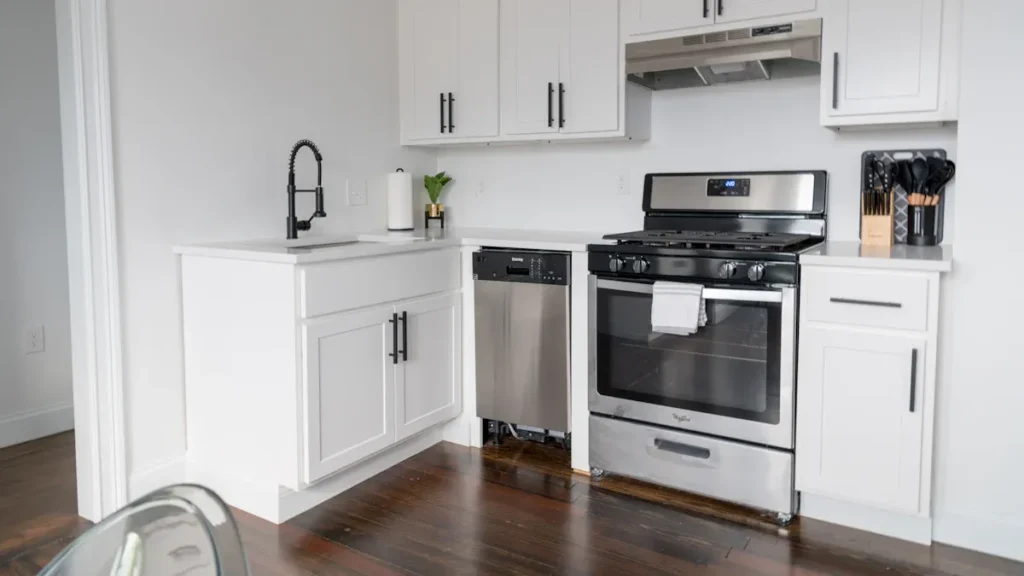
You need to know what size range hood suits your kitchen. Use this rule of thumb: choose a range hood at least 6 inches wider than your cooktop. A proper range hood improves air quality and keeps your kitchen safe. Range hood dimensions affect how well smoke and odors leave your space. You want a range hood that fits your kitchen style and meets ventilation needs. Measure carefully and focus on the right range hood size for your home.
Key Takeaways
Choose a range hood at least 6 inches wider than your cooktop for better smoke and steam capture.
Install your range hood at the recommended height: 24-30 inches for gas stoves and 28-36 inches for electric stoves.
Measure the depth of your cooktop and select a hood that covers most of this distance for optimal performance.
Always check local building codes and manufacturer instructions to ensure safe and effective installation.
Consider the type of range hood that fits your kitchen layout, such as wall-mount, under-cabinet, or island styles.
What are Standard Range Hood Dimensions?
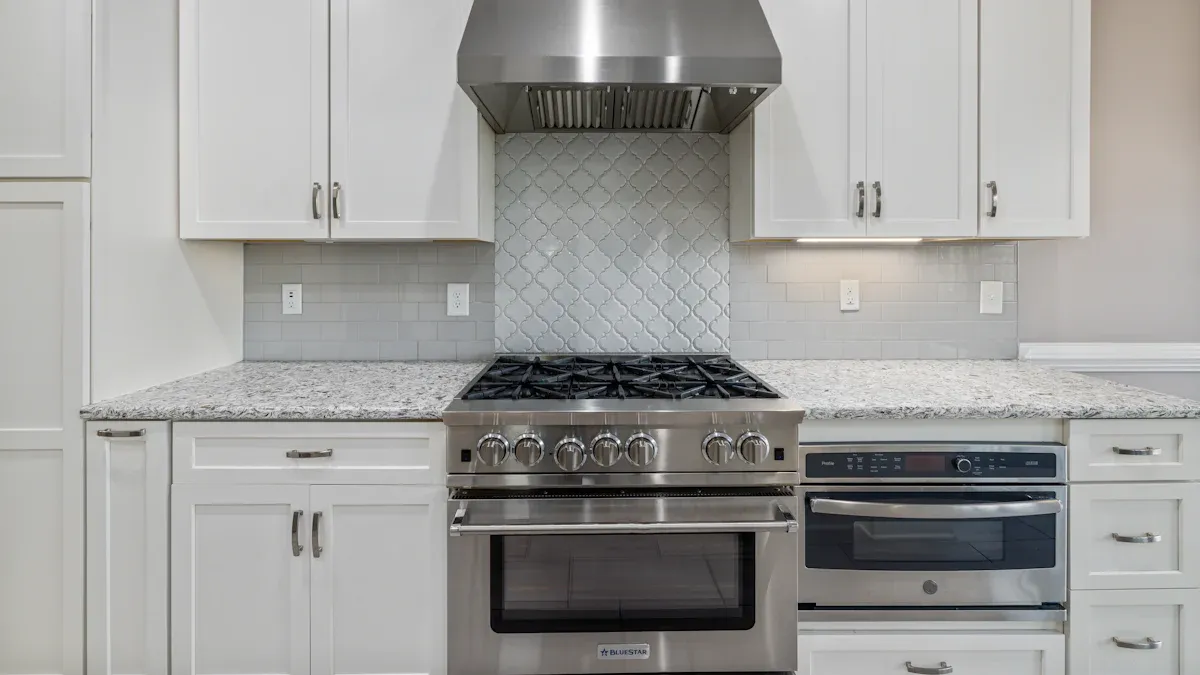
Choosing the right range hood dimensions is essential for your kitchen’s safety and air quality. You want your kitchen vent hood to fit your space and handle the smoke, grease, and odors from cooking. Understanding standard range hood sizes helps you make the best decision for your kitchen.
Standard Range Hood Widths
Most range hoods come in widths from 24 inches to 60 inches. The most common standard range hood sizes for home kitchens are 30 inches and 36 inches. These sizes match the widths of most residential cooktops and ranges. For a 30-inch cooktop, you should select a 36-inch range hood. This follows the rule that your range hood should be at least 6 inches wider than your cooktop. This extra width helps capture more smoke and steam, improving kitchen ventilation.
Tip: If you have a larger or professional-style range, you may need a wider hood. Always check the manufacturer’s recommendations for your specific cooking equipment.
Standard Range Hood Heights
You need to know how high should a range hood be above your cooktop. The recommended mounting height depends on your stove type:
Gas stovetops: 24 to 30 inches above the cooking surface. For professional ranges, 30 to 36 inches is best.
Electric and induction stovetops: 28 to 36 inches above the cooktop.
Island hoods: 30 to 36 inches above the cooktop.
Under-cabinet hoods: 18 to 24 inches for standard ranges, 30 to 36 inches for pro-style ranges.
These standard dimensions ensure your range hood removes smoke and heat without getting in your way while cooking.
Standard Range Hood Depths
You may wonder how deep should a range hood be. Most standard range hood depths range from 18 to 24 inches. The depth should cover most of your cooktop to catch rising smoke and grease. For best results, the hood should extend to the front edge of your cooking surface or slightly beyond.
Quick Reference Table: Standard Range Hood Dimensions
Range Hood Type | Standard Widths (inches) | Standard Depths (inches) | Recommended Height Above Cooktop (inches) |
|---|---|---|---|
Under-Cabinet | 24, 30, 36, 42 | 18–24 | 18–24 (standard), 30–36 (pro-style) |
Wall-Mount | 30, 36, 42, 48 | 18–24 | 24–36 (gas), 28–36 (electric/induction) |
Island | 36, 42, 48, 54, 60 | 24 | 30–36 |
Insert/Custom | Varies | Varies | 24–36 |
Why Range Hood Dimensions Matter
Performance & Airflow
A well-sized range hood makes a big difference in how comfortable and clean your kitchen feels. The right dimensions help your hood capture smoke, heat, grease, and cooking odors more effectively — so your kitchen stays fresh even during heavy cooking.
Here’s why proper sizing matters:
- The hood’s size and design directly affect how well it captures smoke and grease
- Correct airflow clears heat and odors faster and more efficiently
- Better capture efficiency means less grease buildup in your kitchen
- Low airflow can lead to poor ventilation and safety concerns
- Excessive airflow wastes energy and increases operating costs
By following recommended sizing guidelines, you’ll enjoy stronger performance, better air quality, and a more comfortable cooking space.
Safety & Code Compliance
Range hood dimensions are not just about performance — they’re also about safety. Installing a hood that doesn’t meet recommended size or placement standards can create serious issues:
- Increased fire risk if the hood is too close to the cooktop
- Excess heat that can damage the hood and reduce its lifespan
- Faster grease buildup, making cleaning more difficult
- Lingering odors and grease stains on cabinets and walls
- Overuse of high fan speeds, which can wear out the motor
Improper installation may also lead to code violations, insurance problems, or legal liability. Building codes such as the International Residential Code (IRC) and International Mechanical Code (IMC) set clear requirements for range hood size, airflow, and installation height. Always check local regulations before installing your hood.eck these guidelines before you start your project.
Kitchen Design Impact
The right range hood size also enhances the overall look of your kitchen. A hood that fits well creates a balanced, polished appearance while improving functionality.
Keep these design benefits in mind:
- Larger hoods capture more fumes and improve indoor air quality
- Proper sizing adds a premium, built-in look to your kitchen
- A well-proportioned hood blends seamlessly with your cabinetry and layout
Many homeowners make the mistake of choosing a hood that’s too small, too large, or poorly positioned. Following professional sizing and installation guidelines helps your range hood work well. It also improves your kitchen’s style. Avoid using a hood that is too small or too large. Ignoring best practices for installation can lead to problems. Always follow guidelines for both performance and design to get the most from your range hood.
Range Hood Types & Dimensions
Choosing the right range hood type helps you match your kitchen’s layout and cooking needs. You will find different sizes of kitchen hoods, each with unique features and installation requirements. Let’s look at the main types and their standard dimensions.
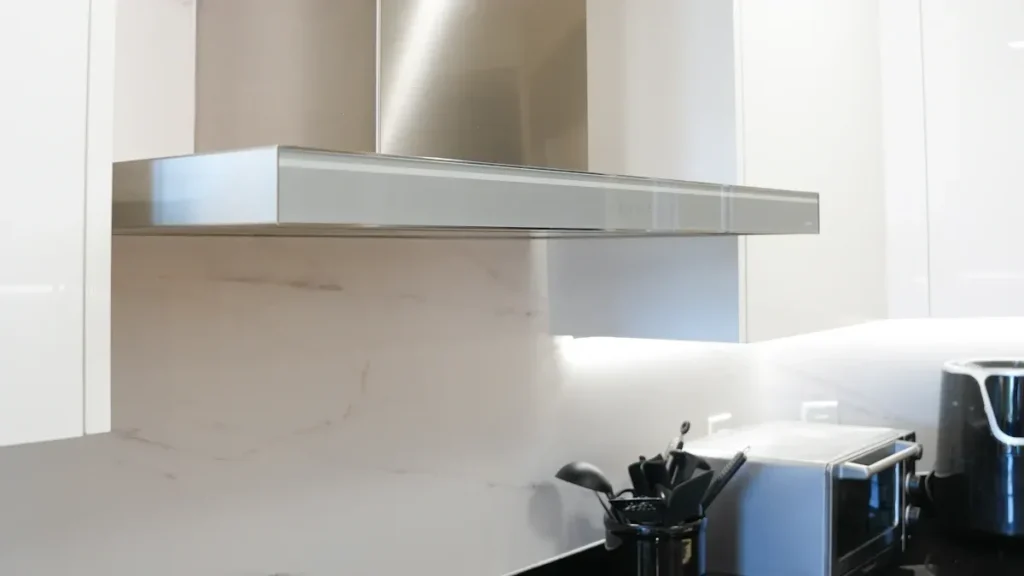
Wall-Mount Range Hood Sizes
Wall-mount range hoods attach to the wall above your cooktop. You often see these in kitchens with no cabinets above the stove. Most wall-mount range hoods come in widths from 30 to 48 inches, but you can find models up to 60 inches for larger ranges. You should install your wall-mount range hood 24 to 30 inches above the cooktop. This height works well for both gas and electric stoves.
Tip: Wall-mount range hoods make a strong visual statement and provide excellent ventilation for open wall spaces.
Typical widths: 30″, 36″, 42″, 48″, 54″, 60″
Recommended installation height: 24–30 inches above the cooktop
Under-Cabinet Range Hood Dimensions
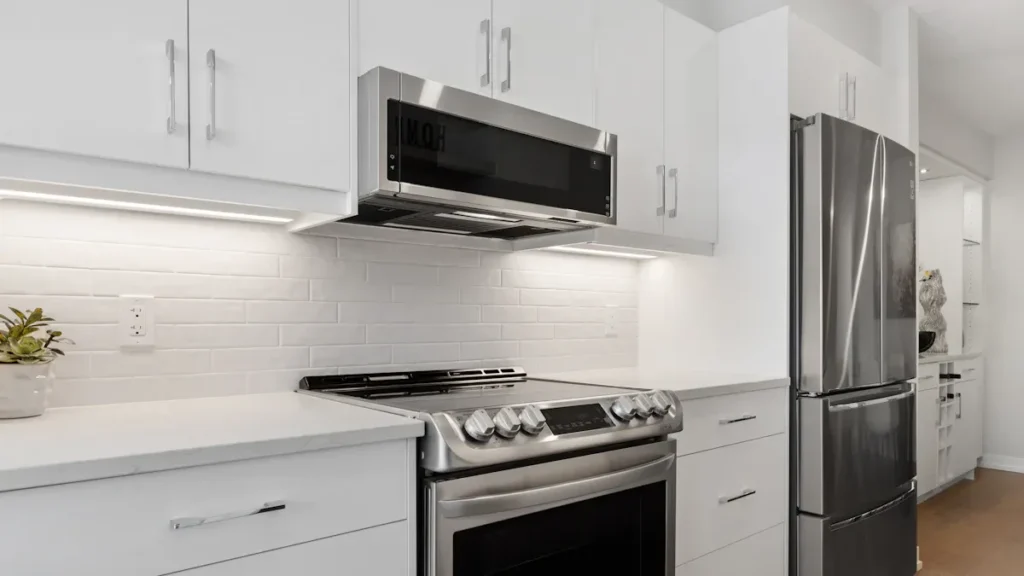
Under-cabinet range hoods fit beneath your kitchen cabinets. These hoods save space and blend with your cabinetry. You will find standard widths from 20 to 60 inches, but most homes use 30-inch or 36-inch models. Under-cabinet hoods are usually smaller than wall-mount or island hoods.
Width Options | Depth Options |
|---|---|
30″ | 18-24 inches |
36″ | 18-24 inches |
42-48 inches | 18-24 inches |
54-72 inches | 18-24 inches |
Note: Under-cabinet range hoods offer a compact solution for kitchens with limited space above the stove.
Island Range Hood Sizing
Island range hoods hang from the ceiling over a kitchen island. You need to size these hoods carefully because they do not have walls to help capture smoke. Follow these steps for proper sizing:
Choose a hood at least as wide as your cooktop for electric or induction stoves.
For gas cooktops, select a hood that is wider than the cooktop (for example, a 36-inch hood for a 30-inch cooktop).
Mount the hood 20 to 24 inches above electric cooktops, or 24 to 30 inches above gas cooktops.
Select a higher CFM (cubic feet per minute) rating for island hoods—300–500 CFM for electric ranges, 600+ CFM for gas, and up to 900 CFM for high-heat cooking.
Island range hoods often become a focal point in open kitchens, so choose a style and size that fits your space.
Insert & Custom Hood Options
Insert range hoods fit inside custom-built enclosures. You can match the hood to your cabinetry or create a unique design. For inserts, you may match the width of the hood to your cooktop because the cabinet structure helps direct airflow. Custom hoods let you pick materials and finishes to suit your kitchen.
Customization Option | Description |
|---|---|
Wood | Matches cabinetry for a seamless look |
Stone/Marble | Creates a luxurious statement piece |
Copper/Metal | Offers industrial or rustic designs |
Custom Painted | Matches any color scheme |
You can design banding, accents, and shapes to fit your style.
Add overlays for a fresh look.
You have many choices when it comes to range hood types and dimensions. Consider your kitchen layout, cooking habits, and design preferences to select the best range hood for your home.
What Range Hood Size Do I Need?
You want your new range hood to fit perfectly and work efficiently. Learning how to measure for a new vent hood helps you avoid common mistakes and ensures the best results. Follow these four steps to measure vent hood dimensions accurately.
Step 1: Match the Width of Your Cooktop
Start by measuring the width of your cooktop or range. Place your tape measure at one edge and stretch it to the other side. Write down this number. When you measure your cooking surface width, you set the foundation for choosing the right range hood. Most experts recommend selecting a hood at least 6 inches wider than your cooktop. This extra width improves smoke and steam capture.
Your range hood should be the same width as your cooking surface or extend 2–6 inches wider. A wider hood captures more smoke and grease, especially when using high heat or multiple burners.
Common size examples:
- 30″ cooktop → 30″ or 36″ range hood
- 36″ cooktop → 36″ or 42″ range hood
- 48″ cooktop → 48″ or 54″ range hood
Step 2: Choose the Right Airflow (CFM)
Airflow capacity should match your cooking style and appliance power.
- Electric or induction cooktops: 300–600 CFM
- Gas ranges: 600–900 CFM
- Professional or high-BTU ranges: 900+ CFM
A properly sized hood with the right CFM ensures efficient ventilation without unnecessary noise or energy waste.
Step 3: Installation Height Matters
Now, measure space and height above the cooking surface. Start at the top of your cooktop and measure up to the bottom of the cabinet or ceiling. This measurement tells you how high you can mount your range hood. Installing the hood too high (over 30 inches) reduces its ability to capture smoke. Placing it too low (under 26 inches) makes cleaning harder and limits headroom. Always check the manufacturer’s recommendations for the best results.
Mounting height affects both safety and performance.
- Electric / induction: 24–30 inches above the cooktop
- Gas ranges: 28–36 inches above the cooktop
Always follow manufacturer recommendations and local building codes.
Tip: Double-check your measurements before you buy. Small errors can lead to big installation problems.
Step 4: Measure the depth of the cooking surface
Finally, measure the depth of your cooktop from the wall to the front edge. Your range hood should cover most of this distance. A hood that matches the depth of your cooktop will catch more steam and grease. This step is important when you learn how to measure a range hood for your kitchen.
Depth is just as important as width. A deeper hood provides better coverage over front burners, where most cooking fumes are produced.
- Standard depth: 18–21 inches
- For professional or high-BTU ranges: 22–24 inches is recommended
Many people make mistakes during installation. Here are some common errors to avoid:
Installing the hood too high or too low
Not following the manufacturer’s height guidelines
Forgetting to measure all dimensions
If you follow these steps, you will know how to measure a range hood and choose the right size for your kitchen.
More Range Hood Sizing Considerations
CFM and Sizing
You need to know how much air your range hood can move. This is measured in CFM, or cubic feet per minute. CFM tells you how powerful your kitchen hood is. The Home Ventilating Institute (HVI) suggests that your range hood should cycle all the air in your kitchen 15 times every hour. You can use a simple rule: choose 1 CFM for every square foot of kitchen space. For example, a 200-square-foot kitchen needs a 200 CFM range hood. If you cook often or use high heat, you may need a higher CFM rating. Proper range hood sizing ensures your kitchen stays free of smoke and odors.
Ducted vs. Ductless
You can choose between ducted and ductless range hoods. Ducted hoods vent air outside your home. These models remove smoke, grease, and heat more effectively. Ductless hoods filter air and recirculate it back into your kitchen. Ducted systems usually work better for large kitchens and heavy cooking. Ductless hoods may suit smaller kitchens or apartments. When you plan your installation, think about your kitchen layout and how much cooking you do.
Cost Impact
Range hood size and finish affect your budget. Stainless steel hoods cost between $300 and $1,500. Copper hoods range from $250 to $1,250. If you need a higher CFM rating for a large kitchen, expect to pay more. Labor costs for installation usually range from $50 to $100 per hour. Complex installations take longer and cost more. You should plan your budget based on the size, type, and finish of your range hood.
Style
The style of your range hood matters for both function and design. You want a hood that matches or exceeds the width of your cooktop. A hood that is too narrow lets smoke escape. A wider hood improves capture efficiency, especially if you use multiple burners. Measure your cooktop carefully to ensure the hood covers the entire surface. The right style and size improve both air quality and kitchen appearance.
Recirculating vs. External Venting
You must decide if you want a recirculating or external venting system. External venting removes air outside, which works best for removing pollutants. Recirculating hoods filter air but may not remove all smoke and odors. For best results, your hood should cover the full width and depth of your cooktop. Use rigid metal ducts, such as galvanized steel or stainless steel, to meet code requirements and improve performance.
To choose the right range hood size, follow these steps:
Match the width of your range hood to your cooktop. For gas stoves, pick a hood that is wider for better coverage.
Select the correct CFM based on your cooking style and range type.
Install your hood at the recommended height for your stove.
When you use proper range hood dimensions, you improve kitchen air quality and create a professional look. The right sizing and installation keep your kitchen safe and stylish.
FAQ
What is the best way to measure for a range hood?
You should measure the width, height, and depth of your cooktop. Add at least 6 inches to the width for proper range hood sizing. This ensures your new hood covers the cooking area and improves kitchen ventilation.
Can I install a range hood myself?
You can install a range hood if you follow the manufacturer’s instructions. Always check local codes before starting. If you feel unsure, hire a professional for safe and correct installation.
Do all range hood types need ductwork?
Not all range hood types need ductwork. Ducted hoods vent air outside. Ductless hoods use filters and recirculate air. Choose the type that fits your kitchen layout and ventilation needs.
How high should I mount my range hood?
Mount your range hood 24 to 36 inches above the cooktop. This range works for most installations and improves performance. Always check the manufacturer’s recommendations for your specific model.